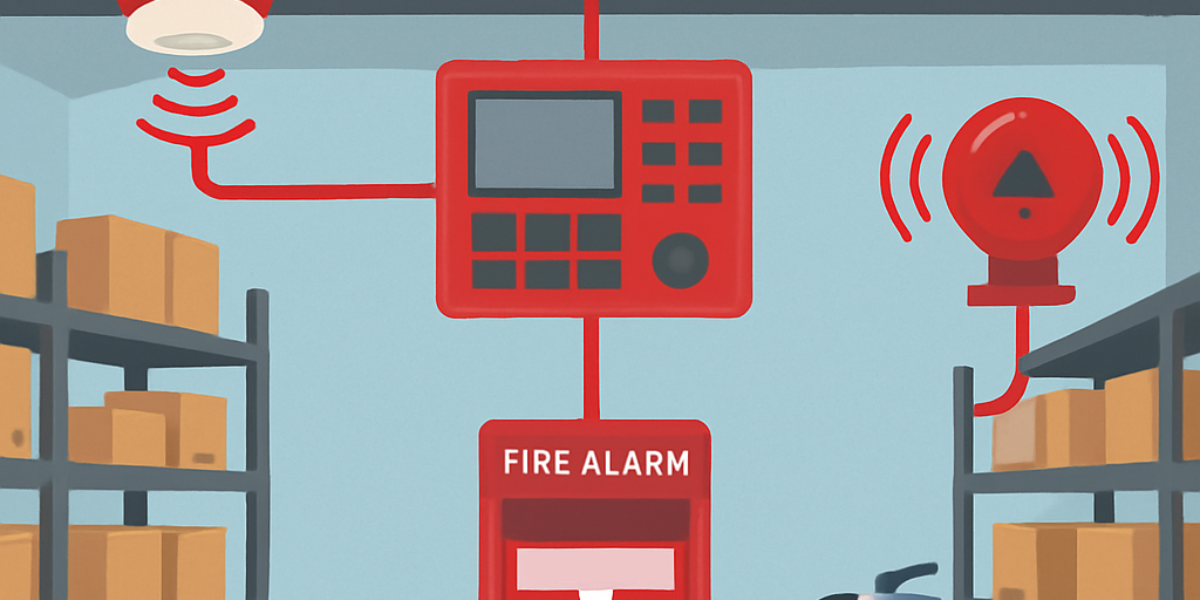
Warehouses are crucial for storing goods, raw materials, and finished products. They are often large, open spaces with high racks and heavy equipment. Protecting these assets from fire is vital, and installing a fire alarm system is a key step in warehouse safety. However, warehouses have unique challenges compared to offices or homes. In this article, we will explore fire alarms for warehouses, the special considerations, and why proper fire alarm installation in Karachi is essential.
Why Fire Alarms Are Important for Warehouses
Warehouses face several fire risks. Flammable materials, electrical equipment, and human activity can cause fires. A small fire in a warehouse can quickly spread, leading to significant loss of goods and potential harm to employees. Fire alarms help in:
- Early Detection: Fire alarms detect smoke or heat early, giving people time to evacuate.
- Property Protection: Immediate alerts help in quick response from fire services.
- Regulatory Compliance: Many countries require warehouses to have certified fire alarms.
Investing in a fire alarm system setup in Karachi ensures that warehouse owners meet local safety standards and protect their assets effectively.
Special Considerations for Warehouse Fire Alarms
Installing a fire alarm in a warehouse is not the same as installing one in a home or office. Here are some special considerations:
1. High Ceilings and Large Open Spaces
Warehouses often have high ceilings, which means smoke can take longer to reach ceiling-mounted detectors. Using high-sensitivity smoke detectors or aspirating smoke detection systems is recommended for faster detection.
2. Racking Systems
Tall racks can block smoke from reaching detectors. Fire alarm systems in warehouses often include beam detectors or spot detectors installed at multiple heights to ensure no area is left unmonitored.
3. Temperature Variations
Warehouses may have temperature extremes, especially if storing food or chemicals. Detectors should be temperature-resistant to avoid false alarms or malfunctioning.
4. Dust and Environmental Factors
Warehouses can be dusty or have airborne particles, which may trigger false alarms. Selecting detectors with dust compensation technology is important to maintain system reliability.
5. Integration with Other Safety Systems
Modern warehouses often integrate fire alarms with sprinklers, emergency lighting, and PABX systems. Integration ensures a coordinated response during emergencies. For example, a PABX system setup in Karachi can automate notifications and emergency calls when a fire is detected.
Types of Fire Alarms Suitable for Warehouses
Several fire alarm technologies are suitable for warehouses:
- Smoke Detectors: Most common, detect smoke particles.
- Heat Detectors: Detect sudden temperature changes, useful in dusty areas.
- Beam Detectors: Ideal for large open spaces; detect smoke across long distances.
- Aspirating Detectors: Draw air from multiple points for early smoke detection.
Choosing the right system depends on the warehouse layout, stored materials, and environmental conditions. Professional fire alarm installation in Karachi ensures proper placement and compliance with safety codes.
Steps for Effective Fire Alarm Installation in Warehouses
- Assessment: Analyze warehouse layout, ceiling height, and material types.
- System Design: Choose detectors, alarms, and integration with sprinklers and PABX systems.
- Installation: Mount devices according to manufacturer guidelines and local safety codes.
- Testing: Conduct system tests to ensure every detector functions correctly.
- Maintenance: Schedule regular inspections to maintain reliability.
A professional installation ensures that the fire alarm system works under real emergency conditions and prevents false alarms.
Benefits of a Well-Installed Warehouse Fire Alarm
- Enhanced Safety: Protects employees and reduces injury risk.
- Reduced Loss: Early detection can prevent total loss of stored goods.
- Regulatory Compliance: Meets local fire safety standards.
- Integration with PABX: Allows immediate alerts to security and management teams.
- Peace of Mind: Warehouse owners can focus on operations knowing their property is protected.
Frequently Asked Questions (FAQs)
- Why do warehouses need special fire alarms?
Warehouses have high ceilings, large open spaces, and often store flammable materials, requiring specialized detectors for early and accurate fire detection. - Can a standard office fire alarm work in a warehouse?
Not always. Standard office alarms may fail to detect smoke quickly in high ceilings or dusty environments. Warehouse-specific detectors are more effective. - How often should warehouse fire alarms be tested?
Testing is recommended at least twice a year, with regular maintenance to ensure reliability and compliance with safety regulations. - Can fire alarms integrate with other systems?
Yes, modern fire alarms can integrate with sprinklers, emergency lighting, and PABX systems, providing automated alerts and coordinated responses. - What type of fire alarm is best for warehouses?
Beam detectors, aspirating smoke detectors, and heat detectors are often preferred due to large spaces, high ceilings, and dust-prone environments.