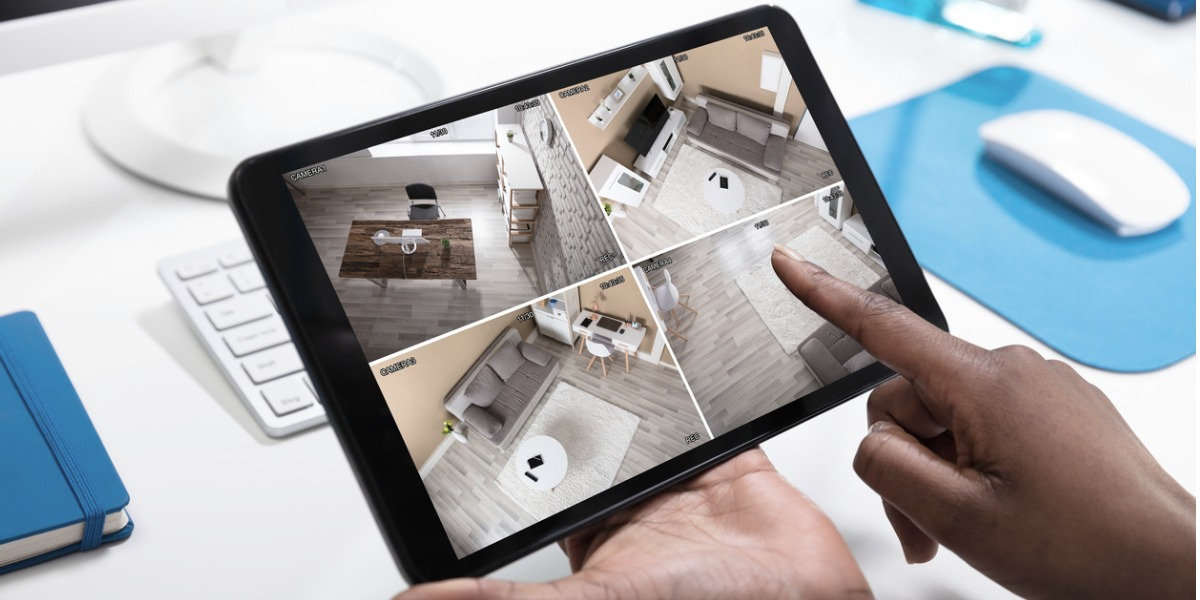
CCTV cameras are installed to protect homes, offices, shops, and industrial areas. Many people invest a good amount of money in cameras, wiring, and recording systems. However, even the best camera can become useless if it is placed in the wrong position. Poor CCTV placement is one of the biggest reasons why security systems fail.
In this blog, we will explain the most common CCTV placement mistakes that reduce camera effectiveness and how to avoid them. This guide is especially helpful if you are planning a CCTV setup service in Karachi or already have cameras installed but are not getting proper results.
Why CCTV Camera Placement Is So Important
Camera placement directly affects video quality, coverage area, and evidence value. A poorly placed camera may:
- Miss important activities
- Record unclear footage
- Fail to identify faces or number plates
- Give a false sense of security
Proper placement ensures full coverage, clear images, and reliable monitoring.
1. Installing Cameras Too High or Too Low
One of the most common mistakes is installing cameras at the wrong height.
Problems:
- Cameras placed too high cannot capture faces clearly
- Cameras placed too low can be easily damaged or blocked
Best Practice:
Install cameras at a height of 8 to 10 feet for indoor areas and 10 to 12 feet for outdoor areas. This height gives a clear view while keeping the camera safe from tampering.
2. Ignoring Lighting Conditions
Lighting plays a major role in CCTV performance. Many cameras fail simply because they face direct light sources.
Common Lighting Mistakes:
- Camera facing direct sunlight
- Camera facing headlights at night
- Poor lighting in indoor areas
Result:
Overexposed or dark footage where faces and movements are not visible.
Solution:
- Avoid placing cameras directly opposite windows or lights
- Use cameras with WDR (Wide Dynamic Range)
- Install proper lighting for night surveillance
Professional installers offering CCTV setup service in Karachi always analyze lighting before installation.
3. Poor Camera Angle Selection
Wrong camera angles create blind spots and useless footage.
Common Angle Mistakes:
- Camera tilted too wide
- Camera facing the sky or floor
- Camera not covering entry points
Correct Approach:
- Focus on doors, gates, corridors, and entrances
- Adjust angle to capture faces, not just movement
- Avoid extreme wide angles unless required
Correct angles improve identification and evidence quality.
4. Covering Too Much Area with One Camera
Many people try to save money by covering large areas with a single camera.
Why This Is a Mistake:
- Faces appear too small
- Important details are lost
- Zoomed footage becomes blurry
Better Solution:
Use multiple cameras for large areas instead of one wide-angle camera. This improves clarity and coverage.
5. Ignoring Blind Spots
Blind spots are areas not covered by any camera.
Common Blind Spots:
- Corners
- Staircases
- Back doors
- Parking entry points
Criminals often look for blind spots before taking action.
Solution:
Perform a site survey and ensure overlapping coverage. This is a standard step in professional CCTV installation services.
6. Incorrect Outdoor Camera Placement
Outdoor cameras face harsh conditions and require extra care.
Common Outdoor Mistakes:
- No weather protection
- Camera facing rain directly
- Poor night vision coverage
Correct Placement Tips:
- Use weatherproof cameras
- Install under shades or covers
- Ensure infrared LEDs are not blocked
This increases camera life and recording quality.
7. Not Considering Privacy and Legal Boundaries
Installing cameras without considering privacy laws can cause problems.
Mistakes Include:
- Recording neighboring property
- Recording public areas unnecessarily
- Placing cameras inside private rooms
Best Practice:
- Focus only on your property
- Follow local security guidelines
- Consult experts if unsure
Security planning often includes CCTV and Fire Alarm System Setup in Karachi together to ensure full compliance and safety.
8. Poor Cable Management and Connections
Even if the camera is placed correctly, poor wiring can cause failure.
Issues:
- Loose connections
- Exposed cables
- Signal interference
Solution:
- Use proper conduits
- Secure all connections
- Keep power and data cables organized
Good cable management ensures long-term system stability.
9. Skipping Professional Site Survey
DIY installation without technical knowledge leads to most placement errors.
Why Site Survey Matters:
- Identifies best camera locations
- Detects lighting and blind spot issues
- Plans proper coverage
Professional CCTV installers always conduct a site survey before final installation.
10. No Regular Testing After Installation
Many systems fail simply because no one checks them regularly.
Common Issues Found Later:
- Camera moved out of position
- Focus issues
- Dust on lens
Recommendation:
Test camera angles and recording quality every few months.
CCTV Placement and Overall Security Planning
CCTV is just one part of a complete security system. For maximum protection, CCTV should work alongside alarms, sensors, and emergency systems. Many businesses choose combined solutions like CCTV setup service in Karachi with Fire Alarm System Setup in Karachi for full safety coverage.
Conclusion
CCTV cameras are powerful security tools, but only when placed correctly. Wrong height, poor angles, lighting issues, and blind spots can make even expensive cameras useless. Proper planning, professional installation, and regular maintenance are the keys to an effective surveillance system.
If you want clear footage, full coverage, and real protection, avoid these placement mistakes and always consult trained security professionals.
FAQs – CCTV Camera Placement
1. What is the best height for installing CCTV cameras?
The ideal height is 8–10 feet indoors and 10–12 feet outdoors for clear visibility and safety.
2. Can wrong lighting affect CCTV footage?
Yes, direct sunlight or poor lighting can cause glare or dark footage, making cameras ineffective.
3. How many cameras are needed for a small shop?
It depends on layout, but usually 3–5 cameras are better than one wide-angle camera.
4. Why is professional CCTV installation important?
Professionals avoid blind spots, adjust angles correctly, and ensure proper coverage and cable management.
5. Should CCTV be integrated with fire alarm systems?
Yes, combining CCTV with Fire Alarm System Setup in Karachi improves overall safety and emergency response.