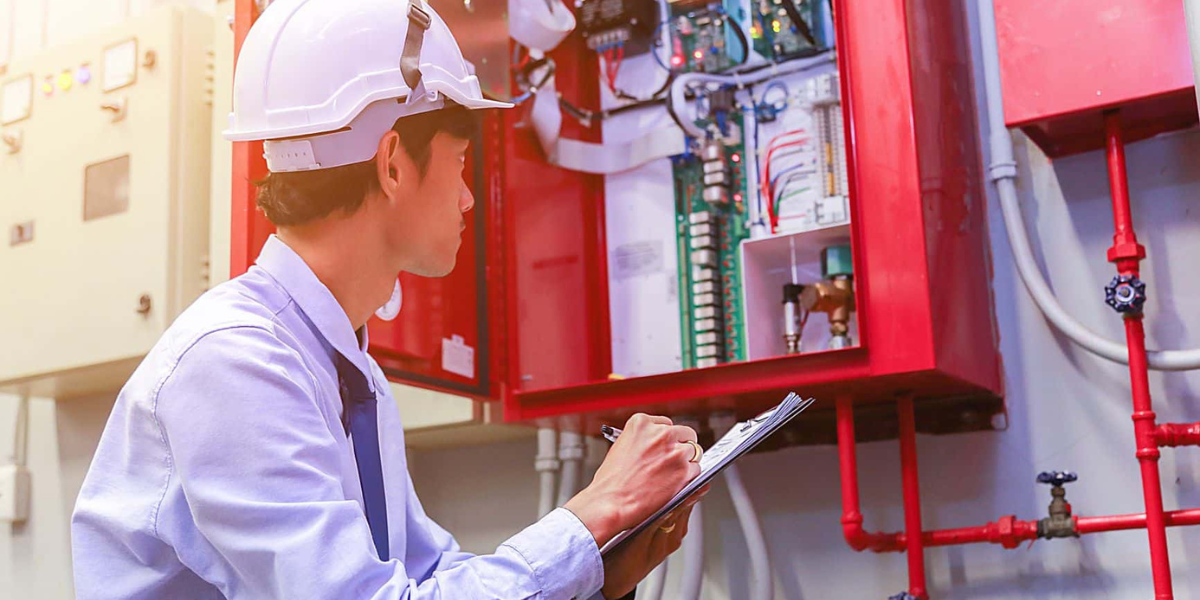
Maintaining fire alarms in offices is crucial to ensure safety, prevent damages, and comply with legal regulations. Fire alarms are the first line of defense in case of fire emergencies. Without proper maintenance, their effectiveness can decrease, putting employees, assets, and your office at risk. This guide will give you a complete fire alarm maintenance checklist to keep your office protected.
Why Fire Alarm Maintenance is Important
A fire alarm system is only effective when it functions properly. Regular maintenance ensures that:
- All components of the fire alarm system work correctly.
- Early detection of fire prevents significant losses.
- Your office complies with safety regulations.
- It extends the lifespan of your fire alarm system.
Neglecting maintenance can lead to system failure, false alarms, or even safety hazards.
Fire Alarm Maintenance Checklist for Offices
Here’s a detailed checklist to keep your fire alarm system in top condition:
1. Visual Inspection
- Check all fire alarm devices for physical damage.
- Ensure smoke detectors are clean and free from dust.
- Inspect control panels for any warning signs or error messages.
- Verify that indicator lights are functioning properly.
2. Test Smoke and Heat Detectors
- Conduct monthly tests on all smoke detectors.
- Test heat detectors according to the manufacturer’s instructions.
- Ensure the alarm sounds when detectors are triggered.
- Replace detectors older than 10 years or faulty ones.
3. Check Fire Alarm Control Panel
- Verify battery status and replace if needed.
- Look for any error messages or system faults.
- Test the panel’s functionality using the system’s test mode.
- Ensure communication lines (if connected to monitoring services) are active.
4. Inspect Fire Alarm Sirens and Strobes
- Test all sirens and strobes to ensure they operate properly.
- Replace any faulty units immediately.
- Confirm that alarms are loud enough for all areas in the office.
5. Emergency Power Supply Check
- Test backup batteries monthly.
- Ensure that the system continues to function during power failure.
- Replace batteries if they do not hold a full charge.
6. Wiring and Connection Check
- Inspect all wiring for signs of wear, corrosion, or loose connections.
- Check connections at junction boxes and detectors.
- Repair or replace damaged wires promptly to avoid system failure.
7. Log and Record Maintenance Activities
- Maintain a log of all maintenance activities, inspections, and tests.
- Record dates of battery replacement, system faults, and corrective actions.
- Keep records for regulatory compliance and safety audits.
8. Schedule Professional Inspection
- Have a licensed technician conduct an annual inspection.
- Ensure all devices meet the latest fire safety standards.
- Professional inspection helps detect issues that are often overlooked in routine checks.
Tips for Effective Fire Alarm Maintenance
- Train office staff on fire alarm testing procedures.
- Replace smoke detector batteries annually.
- Clean detectors regularly to prevent dust accumulation.
- Avoid painting over detectors or blocking them with office furniture.
- Schedule maintenance in off-peak hours to avoid workplace disruption.
Benefits of Regular Fire Alarm Maintenance
- Early Fire Detection: Reduces damage and saves lives.
- Compliance: Meets safety regulations and avoids penalties.
- Cost Savings: Prevents major repairs or replacements.
- Peace of Mind: Ensures employees feel safe in the office.
5 FAQs About Fire Alarm Maintenance for Offices
- How often should fire alarms be tested in offices?
Fire alarms should be tested monthly for proper functionality. Annual professional inspection is also recommended. - Can I clean smoke detectors myself?
Yes, gently vacuum or wipe detectors to remove dust. Avoid using water or harsh chemicals. - What should I do if a fire alarm keeps giving false alarms?
Check for dust, insects, or faulty detectors. Replace defective detectors and consult a professional if the problem persists. - Do fire alarm batteries need to be replaced regularly?
Yes, replace batteries at least once a year, or sooner if the low battery indicator is activated. - Why is professional inspection necessary even if I maintain my fire alarms?
Professionals can detect hidden issues, check system integration, and ensure compliance with local safety regulations.