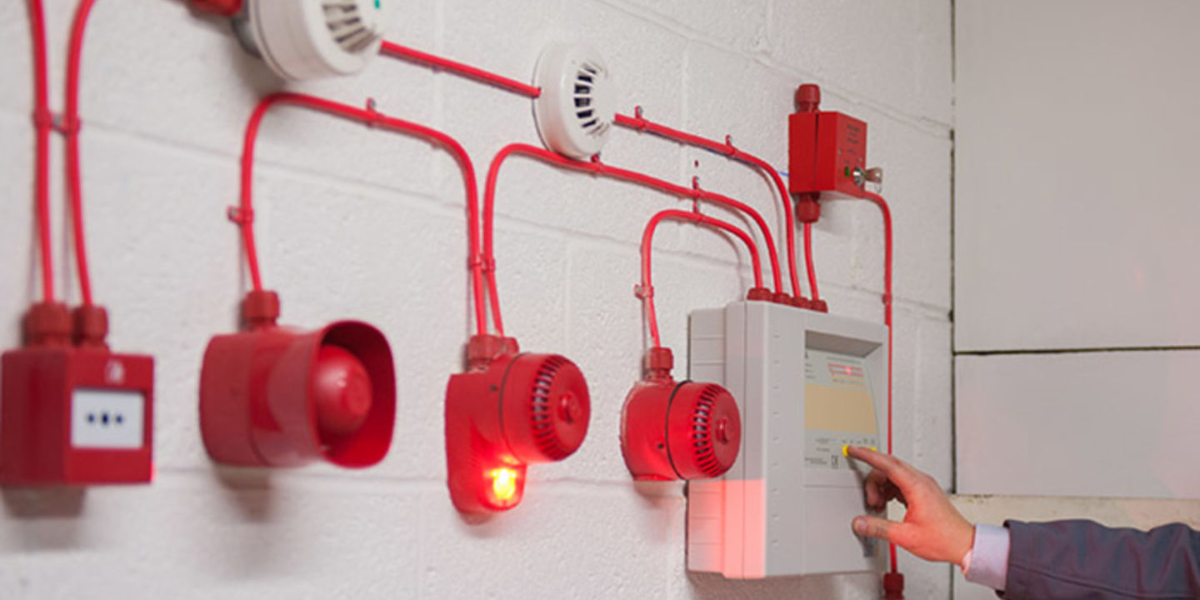
A fire alarm system is not complete after installation alone. To ensure it works correctly in real emergency situations, a proper fire alarm system commissioning process is essential. Commissioning confirms that every component of the system functions as designed and complies with safety standards.
In this blog, we will clearly explain the fire alarm system commissioning process, why it is important, and how it protects lives and property, especially for commercial, industrial, and residential buildings.
What Is Fire Alarm System Commissioning?
Fire alarm system commissioning is the final testing and verification stage after installation. It ensures that all devices, such as smoke detectors, heat detectors, manual call points, sounders, and control panels, are working correctly and are properly integrated.
Commissioning confirms that the system meets local fire safety regulations, manufacturer guidelines, and building requirements before it is officially handed over for use.
If you are planning Fire Alarm System Setup in Karachi, commissioning is a mandatory step for compliance and safety approval.
Why Fire Alarm System Commissioning Is Important
Commissioning is critical because a fire alarm system may look installed but still fail during an emergency. Proper commissioning helps:
- Detect installation errors early
- Ensure correct alarm activation
- Verify communication between devices
- Reduce false alarms
- Meet legal and insurance requirements
Without commissioning, even a high-quality system can become unreliable and dangerous.
Key Components Checked During Commissioning
During the commissioning process, each component is tested carefully:
- Fire alarm control panel
- Smoke and heat detectors
- Manual call points
- Sounders and visual alarms
- Backup batteries and power supply
- System wiring and labeling
All components must respond accurately and within the required time.
Step-by-Step Fire Alarm System Commissioning Process
1. Pre-Commissioning Inspection
Before functional testing, engineers review the installation against approved drawings. This includes checking cable routing, device placement, labeling, and physical condition.
This step ensures the system is ready for live testing.
2. Power Supply and Battery Testing
The main power supply and backup batteries are tested to confirm uninterrupted operation during power failures. Battery capacity and charging functions are verified to meet standards.
Reliable power is critical for continuous protection.
3. Device-by-Device Testing
Each device is tested individually:
- Smoke detectors are tested using smoke or test gas
- Heat detectors are tested using heat tools
- Manual call points are activated manually
- Sounders and strobes are checked for audibility and visibility
This confirms that every device responds correctly to fire conditions.
4. System Integration Testing
All devices are tested together to ensure proper communication with the control panel. Alarm signals, fault signals, and supervisory signals are verified.
In large buildings, integration with systems like elevators, emergency lighting, and access control may also be tested.
5. Cause and Effect Verification
Cause and effect programming defines what happens when a device is activated, for example, which alarms sound or which zones activate.
Commissioning ensures the programmed responses match safety plans and building requirements.
6. Fault and Fail-Safe Testing
Engineers intentionally create faults such as disconnected wires or power loss to ensure the system detects and reports issues correctly.
This step ensures the system remains reliable even under abnormal conditions.
7. Documentation and System Handover
After successful testing, commissioning reports are prepared. These include:
- Test results
- Device locations
- System configuration
- User manuals
Training may also be provided to building staff for daily operation and emergency response.
Fire Alarm Commissioning Standards and Compliance
Fire alarm commissioning must comply with recognized standards such as:
- Local civil defense regulations
- Manufacturer specifications
- International fire safety guidelines
For businesses installing Fire Alarm System Setup in Karachi, compliance is essential for approvals, insurance, and occupancy certificates.
Common Mistakes Avoided Through Proper Commissioning
Professional commissioning helps avoid:
- Non-responsive detectors
- Incorrect zone mapping
- Weak alarm sound levels
- Battery failure during outages
- False alarms caused by wiring faults
These issues can be costly and dangerous if left undetected.
Who Should Perform Fire Alarm System Commissioning?
Commissioning should always be performed by certified and experienced professionals. Trained engineers understand safety standards, testing tools, and system programming.
Companies offering integrated solutions, such as fire alarms alongside PABX System Setup in Karachi, ensure better system coordination and building-wide safety management.
How Often Should Fire Alarm Systems Be Re-Commissioned?
Re-commissioning is recommended when:
- The building layout changes
- New devices are added
- The system is upgraded
- After major repairs
Regular maintenance inspections should also be conducted at scheduled intervals.
Final Thoughts
The fire alarm system commissioning process is a critical step that ensures safety, compliance, and reliability. It verifies that the system will perform correctly during real emergencies, protecting lives and property.
If you are investing in a Fire Alarm System Setup in Karachi, never skip commissioning. A properly commissioned system is not just a requirement, it is a responsibility.
FAQs – Fire Alarm System Commissioning
1. What is the main purpose of fire alarm system commissioning?
The main purpose is to verify that the fire alarm system works correctly, safely, and according to regulations before being used.
2. Is commissioning mandatory after fire alarm installation?
Yes, commissioning is mandatory to meet safety standards, legal requirements, and insurance approvals.
3. How long does fire alarm commissioning take?
It depends on system size, but small systems may take a few hours, while large commercial systems may take several days.
4. Can commissioning reduce false fire alarms?
Yes, proper commissioning identifies wiring errors, incorrect sensitivity settings, and programming issues that cause false alarms.
5. Who is responsible for fire alarm system commissioning?
Certified fire alarm professionals or authorized service providers are responsible for performing commissioning.