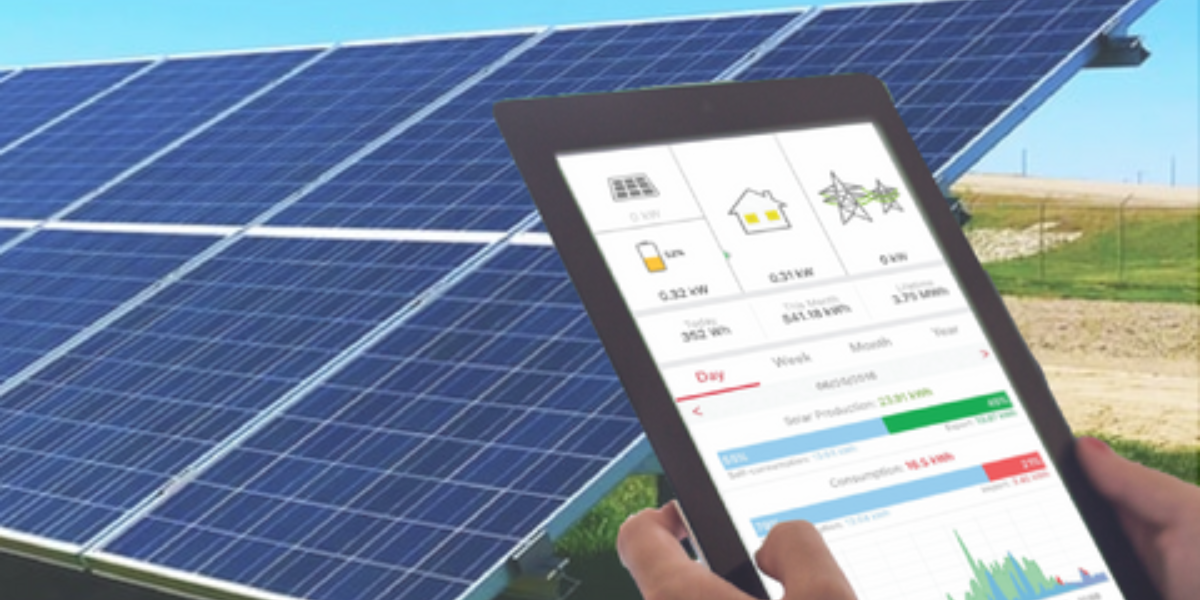
Solar energy has become one of the most popular sources of renewable energy worldwide. With the rising electricity costs and frequent power outages, many homeowners and businesses are now considering solar power to reduce their electricity bills and ensure uninterrupted energy supply. If you are planning to go solar, one of the most important decisions is whether to choose a grid, tied or an off, grid solar system. Both systems have their advantages and limitations, and the right choice depends on your energy needs, budget, and location.
In this article, we will explain the differences between grid-tied and off-grid solar systems, their benefits, drawbacks, and which option suits your requirements the best. We will also cover the installation process and maintenance considerations.
What is a Grid-Tied Solar System?
A grid-tied solar system, also known as a grid, connected system, is directly connected to the local electricity grid. This means the solar panels generate electricity and supply it to your home, while any extra electricity can be sent back to the grid. Conversely, if your solar system does not produce enough power, electricity is drawn from the grid.
How Grid-Tied Solar Works
- Solar panels convert sunlight into DC electricity.
- The inverter converts DC into AC electricity, usable for home appliances.
- The system supplies electricity to your home.
- Excess electricity is exported to the grid, often earning you credits under net metering policies.
Benefits of Grid-Tied Solar Systems
- Lower Initial Cost: Since grid, tied systems do not require batteries, they are generally cheaper to install.
- Reliable Energy Supply: You can use electricity from the grid whenever your solar system is not producing enough energy.
- Net Metering Benefits: You can earn credits or reduce your electricity bills by sending excess energy to the grid.
- Less Maintenance: No batteries means less maintenance and longer system lifespan.
Drawbacks of Grid-Tied Solar Systems
- Power Outages: Grid, tied systems stop supplying electricity during power cuts unless paired with battery storage.
- Dependency on Grid: Your system cannot operate independently from the electricity grid.
What is an Off-Grid Solar System?
An off-grid solar system operates independently from the electricity grid. It relies on solar panels and a battery storage system to store electricity for use during nighttime or cloudy days. Off, grid systems are ideal for remote areas without access to reliable electricity.
How Off-Grid Solar Works
- Solar panels generate DC electricity from sunlight.
- A charge controller regulates the electricity and stores it in batteries.
- An inverter converts the stored DC electricity to AC for home use.
- Your home draws power directly from the batteries when solar energy is insufficient.
Benefits of Off-Grid Solar Systems
- Energy Independence: You are fully independent from the grid and can generate your own electricity.
- Reliable in Remote Areas: Ideal for locations where grid electricity is unavailable or unstable.
- Backup During Power Cuts: Batteries store energy for use during nighttime or cloudy days.
Drawbacks of Off-Grid Solar Systems
- Higher Initial Cost: Batteries and additional equipment make off, grid systems more expensive.
- Maintenance Required: Batteries need regular maintenance and replacement every 5, 10 years.
- Limited Energy Supply: You are limited by the battery storage capacity, which can restrict electricity usage.
Grid-Tied vs Off-Grid: Key Differences
|
Feature |
Grid, Tied Solar System |
Off, Grid Solar System |
|
Connection to Grid |
Yes |
No |
|
Energy Storage |
Optional (batteries not required) |
Required (batteries mandatory) |
|
Cost |
Lower initial cost |
Higher initial cost |
|
Power Reliability |
Depends on grid |
Independent and reliable if batteries are sufficient |
|
Maintenance |
Low |
Higher due to battery upkeep |
|
Best For |
Urban homes with grid access |
Remote areas or areas with frequent blackouts |
Which System Should You Choose?
Choosing between a grid, tied and off, grid solar system depends on your specific situation:
- Choose Grid, Tied if:
- You live in an urban area with reliable grid electricity.
- You want lower installation costs.
- You are looking for net metering benefits to reduce electricity bills.
- Choose Off-Grid if:
- You live in a remote area without grid access.
- You want complete energy independence.
- You are willing to invest more initially and maintain batteries regularly.
Installation and Maintenance Tips
Whether you choose a grid-tied or off-grid solar system, proper installation and maintenance are key to ensuring long-term performance.
- Hire a Professional Installer: Look for a reliable Solar Installation Service in Karachi for proper setup and safety compliance.
- Regular Cleaning: Keep solar panels clean to maximize energy output.
- Monitor System Performance: Use monitoring tools or apps to track electricity production and battery status.
- Battery Care (for Off-Grid): Check battery levels regularly and replace them when their efficiency decreases.
- Inverter Maintenance: Ensure your inverter is functioning correctly as it converts DC to AC electricity.
FAQs About Grid-Tied and Off-Grid Solar Systems
- Can a grid-tied solar system work without the grid?
No. A standard grid-tied system requires connection to the electricity grid. Without the grid, it will not supply power unless paired with a battery storage system. - How long do batteries last in off-grid solar systems?
Typically, solar batteries last between 5 to 10 years depending on usage, maintenance, and battery type. - Which system saves more money in the long run?
Grid, tied systems often save more money initially due to lower setup costs, but off, grid systems can provide independence and cost savings in areas with expensive or unreliable grid electricity. - Can I convert a grid-tied system to off-grid later?
Yes, it is possible by adding batteries and a suitable inverter, but it may require additional investment. - How do I choose the right solar installer?
Look for experienced professionals with proven results. Check reviews and choose a Solar Installation Service in Karachi that provides warranty and maintenance support.