Solar power is one of the most popular and fastest-growing sources of renewable energy in the world. With rising electricity bills, power shortages, and environmental concerns, more homes and businesses are switching to solar energy. But many people still ask a basic question: how does solar power actually work?
This blog explains how solar power works in a simple and easy way, without technical confusion. Whether you are a homeowner, business owner, or planning solar panel installation in Karachi, this guide will help you understand the complete process.
What Is Solar Power?
Solar power is energy that comes from the sun. The sun produces a huge amount of energy every day in the form of sunlight. Solar systems capture this sunlight and convert it into usable electricity for homes, offices, factories, and other buildings.
The best part about solar power is that it is:
- Renewable
- Clean
- Cost, effective in the long term
- Environment-friendly
Once installed, solar systems can produce electricity for 25 years or more with very low maintenance.
Main Components of a Solar Power System
To understand how solar power works, you must first know the key components of a solar system.
Solar Panels
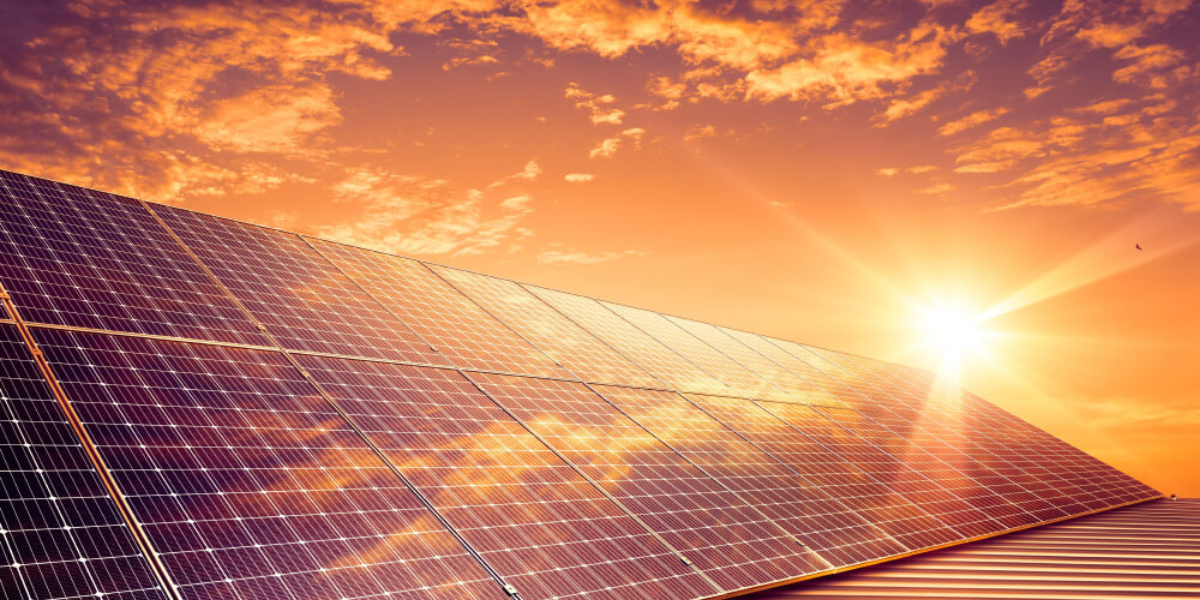
Solar panels are the most visible part of the system. They are installed on rooftops or open areas where they receive maximum sunlight. Panels are made of photovoltaic (PV) cells that convert sunlight into electricity.
Inverter
The inverter changes the electricity produced by solar panels into a form that can be used by your appliances. Without an inverter, solar energy cannot power your home or office.
Mounting Structure
This structure holds the solar panels firmly and positions them at the correct angle to capture maximum sunlight.
Batteries (Optional)
Batteries store extra electricity for use during nighttime or power outages. Not all systems use batteries, especially grid, connected systems.
Net Meter (For Grid Systems)
A net meter tracks how much electricity you use from the grid and how much extra solar energy you send back.
Step-by-Step: How Solar Power Works
Let’s break down the process in a simple step by step way.
Step 1: Sunlight Hits the Solar Panels
During the day, sunlight falls directly on the solar panels. The photovoltaic cells inside the panels absorb this sunlight.
Step 2: Conversion of Sunlight into Electricity
The PV cells convert sunlight into DC (Direct Current) electricity. This electricity cannot be used directly by most appliances.
Step 3: Inverter Converts DC to AC
The DC electricity goes to the inverter, where it is converted into AC (Alternating Current) electricity. AC power is what your home and office devices use.
Step 4: Electricity Powers Your Home or Business
Once converted, electricity flows through your electrical panel and powers lights, fans, air conditioners, computers, and other appliances.
Step 5: Extra Power Is Stored or Exported
If your solar system produces more electricity than needed:
- It is stored in batteries (if installed), or
- It is sent back to the national grid through net metering
At night or during low sunlight, electricity is taken from the grid or batteries.
Types of Solar Power Systems
There are three main types of solar systems, depending on your needs and location.
On-Grid Solar System
This system is connected to the electricity grid. It does not use batteries and is the most cost-effective option for cities. Net metering allows you to sell extra electricity back to the grid.
This system is very popular for solar panel installation in Karachi due to lower upfront costs.
Off-Grid Solar System
Off-grid systems work independently and use batteries for storage. These systems are ideal for areas with no grid access or frequent power failures.
Hybrid Solar System
Hybrid systems combine grid connection and batteries. They provide backup power and also reduce electricity bills.
Why Solar Power Is Important Today
Solar power is no longer a luxury. It has become a necessity due to rising energy costs and environmental challenges.
Reduces Electricity Bills
Solar energy can reduce electricity bills by up to 70, 90%, depending on system size and usage.
Environment Friendly
Solar power produces no harmful gases and helps reduce carbon emissions.
Energy Independence
Solar systems reduce dependence on electricity companies and fuel prices.
Low Maintenance
Once installed, solar systems require very little maintenance and last for decades.
How Solar Power Works in Pakistan’s Climate
Pakistan receives abundant sunlight throughout the year, making it ideal for solar energy. Cities like Karachi get strong sunlight, allowing solar panels to work efficiently even in winter.
With frequent load-shedding and high electricity tariffs, solar panel installation in Karachi has become one of the smartest investments for homes, shops, and industries.
Common Myths About Solar Power
Solar Panels Do Not Work on Cloudy Days
Solar panels still generate electricity on cloudy days, though at reduced capacity.
Solar Systems Are Too Expensive
While the initial cost exists, long, term savings make solar systems highly affordable.
Solar Panels Damage Roofs
Proper installation does not damage roofs. In fact, panels protect the roof surface from heat and weather.
How Long Does a Solar System Last?
Most solar panels come with a lifespan of 25 to 30 years. Inverters may need replacement after 10 to 15 years. With basic maintenance, solar systems remain efficient for decades.
Is Solar Power Worth It?
Yes, solar power is one of the best long, term investments today. It provides:
- Lower energy costs
- Reliable power
- Environmental benefits
- Increased property value
Whether for residential or commercial use, solar energy offers strong financial and practical advantages.
FAQs About How Solar Power Works
1. How do solar panels produce electricity?
Solar panels absorb sunlight using photovoltaic cells, which convert sunlight into DC electricity.
2. Can solar power work at night?
Solar panels do not produce electricity at night, but stored battery power or grid electricity can be used.
3. How much sunlight is needed for solar panels?
Direct sunlight is best, but panels can still generate electricity in indirect or cloudy conditions.
4. Is net metering necessary for solar systems?
Net metering is optional but highly beneficial for on, grid systems to reduce electricity bills.
5. Is solar power suitable for homes in Karachi?
Yes, due to high sunlight and electricity costs, solar panel installation in Karachi is highly effective and economical.