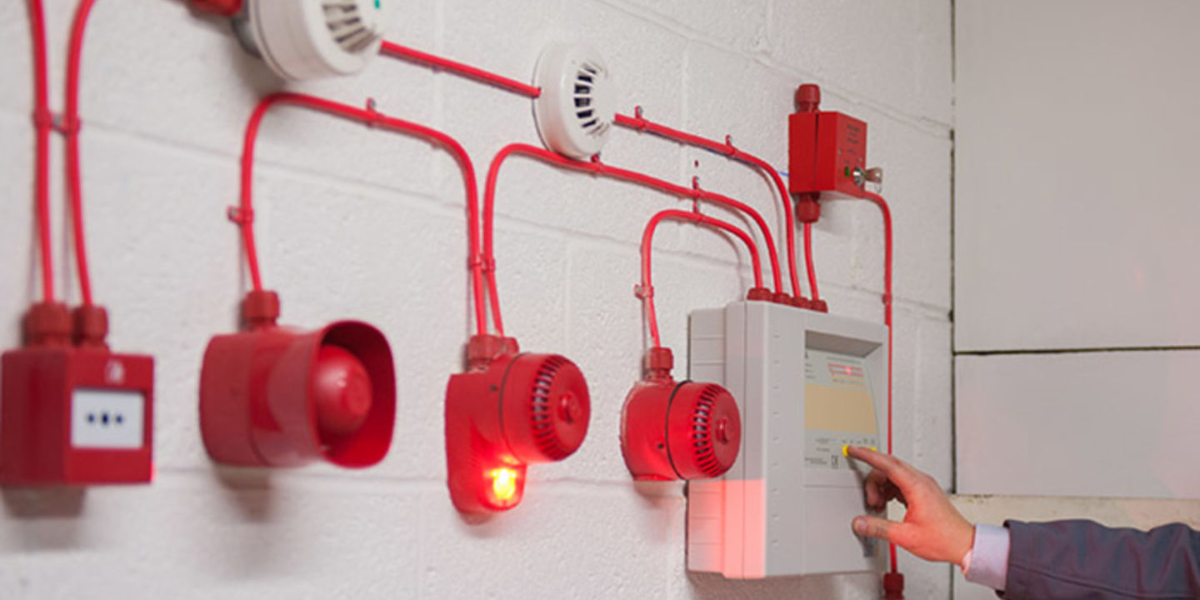
A fire alarm system is one of the most important safety measures for homes and offices. It protects lives and property from fire hazards. However, having an alarm system is not enough. Regular testing is essential to make sure it works properly when you need it the most. Weekly testing ensures that your fire alarm system is always ready to alert you in case of an emergency. In this guide, we will explain how to test your alarm system weekly in easy and simple steps.
Why Weekly Alarm Testing is Important
Testing your alarm system weekly is crucial because:
- Ensures Functionality: Fire alarm systems may fail due to battery issues, wiring problems, or other technical faults. Regular testing helps detect these problems early.
- Safety Assurance: A tested system gives peace of mind that your home or office is safe.
- Compliance with Safety Standards: Many local safety regulations and insurance policies require regular testing of fire alarm systems.
- Prevents False Alarms: Weekly testing helps identify any malfunction that might trigger false alarms.
By testing your alarm system every week, you maintain a safe environment for yourself, your family, or your employees.
Step-by-Step Guide to Test Your Alarm System Weekly
1. Check the Alarm Panel
The alarm panel is the central unit of your system. Start by checking for any warning lights or error messages. Most modern fire alarm systems have indicator lights that show the system’s status. A green light usually means everything is fine, while a red or yellow light may indicate an issue that needs attention.
Tip: If you see an error message, refer to your user manual or contact a professional for repair. You can also check Fire Alarm System Setup in Karachi for expert assistance.
2. Test the Smoke Detectors
Smoke detectors are the first line of defense in any fire alarm system. Here’s how to test them safely:
- Press the test button on each smoke detector.
- The alarm should sound loudly. If it doesn’t, check the battery or replace the unit.
- Clean the detector using a vacuum or soft cloth to remove dust that can block sensors.
Important: Avoid testing with real smoke from matches or candles, as it can damage the detector.
3. Test the Heat Detectors
Some alarm systems have heat detectors that respond to temperature changes. To test them:
- Use the test function on your alarm panel if available.
- Some systems allow you to simulate high temperature using a heat source recommended in the manual.
- Ensure the detector triggers the alarm immediately.
Heat detectors are especially important in kitchens or areas where smoke detectors may trigger false alarms.
4. Check the Alarm Siren
The siren alerts everyone in case of fire. To test it:
- Press the test button on the alarm panel or detector.
- Listen carefully to ensure the siren is loud and clear.
- Replace any faulty sirens immediately to ensure maximum safety.
A weak siren may not be heard by everyone in the building, which could be dangerous during an emergency.
5. Inspect the Alarm System Batteries
Most alarm systems rely on batteries to function during a power outage. To check the batteries:
- Open the detector and remove the battery.
- Test it with a battery tester or replace it with a new one.
- Ensure the battery is fully charged and fits properly in the detector.
Pro Tip: Even if the alarm has a rechargeable battery, weekly checks prevent system failures.
6. Verify System Communication
Modern fire alarm systems can communicate with monitoring services or mobile apps. To verify:
- Trigger a test alarm and check if the system notifies your monitoring service.
- If your system doesn’t send alerts, check the network connection or consult your service provider.
- This is critical for systems installed in offices or commercial buildings.
Professional services like Fire Alarm System Setup in Karachi can help ensure your system communicates correctly during emergencies.
7. Keep a Weekly Testing Log
Maintain a log of your weekly tests. Include details such as:
- Date of testing
- Detector tested
- Battery status
- Any issues found and fixed
A log helps track the performance of your alarm system and can be useful for insurance claims or safety inspections.
Tips for Effective Weekly Alarm Testing
- Test alarms at the same day and time each week to establish a routine.
- Never ignore any warning lights or error messages on the panel.
- Replace any outdated detectors or batteries immediately.
- Schedule professional inspection at least once a year for complete system check.
- Educate all family members or employees on alarm testing procedures.
Benefits of Professional Fire Alarm Services
While weekly testing at home or office is important, hiring professionals ensures complete safety. Expert fire alarm services offer:
- Full system inspection and maintenance
- Battery replacements and upgrades
- Testing of hidden detectors and communication lines
- Compliance with safety regulations
For reliable services, check Fire Alarm System Setup in Karachi for professional assistance. They ensure that your system works flawlessly and provides complete protection.
5 Direct FAQs About Weekly Alarm Testing
- How long does it take to test my alarm system weekly?
Testing each detector usually takes 5, 10 minutes. A full system test may take 20, 30 minutes depending on the size of your home or office. - Can I test my fire alarm system without a professional?
Yes, basic weekly testing can be done by following the steps above. However, yearly professional inspection is recommended for complete safety. - What if my alarm doesn’t sound during testing?
Check the batteries, wiring, and detector condition. If the problem persists, contact a certified service like Fire Alarm System Setup in Karachi. - How do I test alarms in a large office building?
In large offices, test each floor and zone separately. Maintain a detailed log and notify all employees before testing. - Is weekly testing really necessary?
Yes, weekly testing ensures your alarm system works properly and provides early warning in case of fire, potentially saving lives and property.