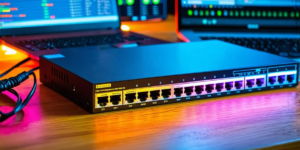
In today’s digital world, small businesses depend heavily on computer networks for daily operations. From emails and billing to customer data and online payments, everything runs through your network. This also makes small businesses a common target for cyberattacks. Hackers often target smaller companies because they usually have weaker security systems.
This blog will explain simple and practical network security tips for small businesses in easy English. Whether you already have a network or are planning a Networking Installation in Karachi, these tips will help you protect your business data and systems.
Why Network Security Is Important for Small Businesses
Many small business owners believe cybercriminals only target big companies. This is not true. Small businesses are often easier targets because of limited security budgets and lack of awareness.
A single cyberattack can cause:
- Data theft
- Financial loss
- Business downtime
- Loss of customer trust
Investing in proper network security from the start is always cheaper than recovering from a cyber incident later.
1. Use Strong Passwords and Access Control
Weak passwords are one of the biggest security risks.
Best practices for passwords:
- Use long passwords with letters, numbers, and symbols
- Avoid using the same password for multiple systems
- Change passwords regularly
- Never share passwords through email or WhatsApp
Also, limit network access:
- Employees should only access what they need
- Admin access should be restricted to trusted staff
If your business also uses office communication systems like PABX System Setup in Karachi, ensure passwords and access levels are secured there as well.
2. Secure Your Wi-Fi Network
An unsecured Wi-Fi network is an open door for hackers.
Wi-Fi security tips:
- Always use WPA3 or WPA2 encryption
- Change default router usernames and passwords
- Hide your network SSID if possible
- Create a separate guest Wi-Fi network for visitors
During a professional Networking Installation in Karachi, experts usually configure Wi-Fi security settings properly. This reduces risk from day one.
3. Install a Business-Grade Firewall
A firewall acts as a barrier between your internal network and the internet.
Why firewalls matter:
- Block unauthorized access
- Monitor incoming and outgoing traffic
- Protect sensitive business data
Avoid relying only on basic router firewalls. Small businesses should use hardware or advanced software firewalls configured by professionals.
4. Keep All Systems Updated
Outdated software is a common entry point for cyberattacks.
What should be updated regularly:
- Operating systems
- Antivirus software
- Network devices (routers, switches)
- Office systems like IP phones and PABX
Updates fix security vulnerabilities that hackers actively exploit. Enable automatic updates wherever possible.
5. Use Antivirus and Anti-Malware Protection
Every computer connected to your network should have reliable antivirus software.
Key features to look for:
- Real-time protection
- Email scanning
- Web protection
- Automatic updates
Antivirus software adds an extra layer of defense, especially against phishing emails and malicious downloads.
6. Backup Your Business Data Regularly
Even with strong security, no system is 100% safe. Backups protect your business from data loss caused by ransomware, hardware failure, or human error.
Backup best practices:
- Use both cloud and local backups
- Schedule automatic backups
- Test backups regularly
- Store backup data securely
If your network connects multiple departments or phone systems like a PABX System Setup in Karachi, ensure backups include configuration data as well.
7. Train Employees on Cybersecurity Awareness
Human error is one of the biggest security threats.
Train your staff to:
- Identify phishing emails
- Avoid suspicious links and attachments
- Use strong passwords
- Report security issues immediately
Even basic training can reduce cyber risks significantly.
8. Secure Remote Access and VPNs
Many small businesses allow employees to work remotely. This increases flexibility but also increases risk.
Remote access security tips:
- Use VPNs for remote connections
- Enable two-factor authentication (2FA)
- Monitor remote login activity
A professionally planned Networking Installation in Karachi often includes secure VPN setup for remote teams.
9. Monitor Network Activity
Network monitoring helps detect unusual activity early.
Monitoring benefits:
- Identify unauthorized access
- Detect malware behavior
- Improve overall network performance
Simple monitoring tools can alert you before serious damage occurs.
10. Work with Professional Network Security Experts
DIY security setups often miss important details. Professional IT companies understand how different systems work together.
Experts can:
- Design secure network architecture
- Configure firewalls and switches
- Secure VoIP and PABX System Setup in Karachi
Provide ongoing support and maintenance
Professional help ensures your business stays protected as it grows.
Final Thoughts
Network security is no longer optional for small businesses. Cyber threats are increasing every year, and small companies are at high risk. By following these practical tips, you can significantly reduce security threats and protect your valuable business data.
If you are planning a new office or upgrading your systems, investing in professional Networking Installation in Karachi ensures your network is built with security in mind from the start.
Frequently Asked Questions (FAQs)
1. Why is network security important for small businesses?
Network security protects business data, prevents financial loss, and ensures smooth daily operations without cyber interruptions.
2. Can small businesses be targeted by hackers?
Yes. Small businesses are often targeted because they usually have weaker security systems than large companies.
3. Is antivirus software enough for network security?
No. Antivirus is important, but firewalls, updates, employee training, and secure network design are also essential.
4. How often should small businesses update their systems?
All systems should be updated regularly, ideally with automatic updates enabled to fix security vulnerabilities.
5. Should I hire professionals for network security?
Yes. Professional services for Networking Installation in Karachi and secure PABX System Setup in Karachi help avoid costly mistakes and improve long-term security.