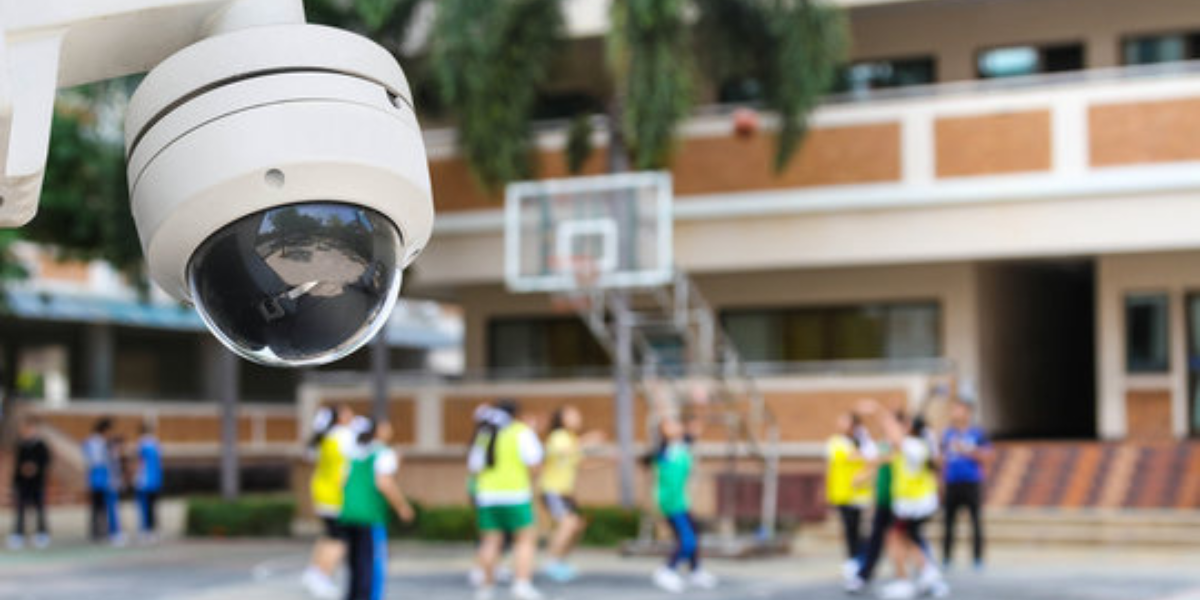
In today’s world, school safety and monitoring have become top priorities for parents, teachers, and school management. With increasing concerns about student security, bullying, vandalism, and unauthorized access, many schools are now adopting CCTV camera systems as part of their safety strategy.
Using CCTV in schools can bring many benefits, but it also comes with some limitations that must be understood clearly. This blog explains how CCTV helps schools, where it may fall short, and how schools can use it responsibly and effectively.
What Is a CCTV System in Schools?
A CCTV (Closed-Circuit Television) system uses cameras to monitor and record activities within school premises. These cameras are usually installed in:
- School entrances and exits
- Corridors and hallways
- Playgrounds and parking areas
- Libraries and computer labs
- Administrative offices
Professional CCTV Installation Service in Karachi ensures cameras are placed legally, strategically, and securely for maximum benefit.
Major Benefits of Using CCTV in Schools
1. Improved Student Safety
The biggest advantage of CCTV in schools is enhanced safety. Cameras help monitor suspicious activity and prevent incidents like:
- Unauthorized entry
- Physical fights
- Bullying and harassment
- Theft and vandalism
Knowing that cameras are present encourages students and visitors to behave responsibly.
2. Prevention of Bullying and Misconduct
Bullying is a serious concern in many schools. CCTV cameras act as a strong deterrent against:
- Physical bullying
- Property damage
- Misbehavior in corridors or playgrounds
Recorded footage provides clear evidence, helping school management take fair and timely action.
3. Better Monitoring of School Premises
School staff cannot be everywhere at once. CCTV systems allow administrators to:
- Monitor multiple areas from one control room
- Identify risky zones in the school
- Supervise entry and exit during school hours
This level of monitoring is especially useful in large schools with many buildings.
4. Support in Emergency Situations
In emergencies such as fire, accidents, or security threats, CCTV footage helps authorities:
- Understand the situation quickly
- Track movement of students and staff
- Improve evacuation planning
When integrated with a Fire Alarm System and communication solutions like PABX System Setup in Karachi, emergency response becomes faster and more organized.
5. Protection for Teachers and Staff
CCTV does not only protect students. It also protects teachers and staff from false allegations by providing video evidence. This helps maintain trust and transparency within the school environment.
6. Reduced Property Damage and Theft
School equipment such as computers, lab tools, and furniture is expensive. CCTV cameras reduce:
- Theft of school property
- Damage to classrooms and labs
- Misuse of facilities after school hours
Schools using professional CCTV installation services report lower maintenance costs over time.
Limitations of Using CCTV in Schools
While CCTV has many advantages, it also has some limitations that schools must consider.
1. Privacy Concerns
One of the biggest concerns is privacy. CCTV cameras should never be installed in:
- Washrooms
- Changing rooms
- Staff rest areas
Improper camera placement can create legal and ethical issues. Schools must follow local laws and inform parents, staff, and students about camera usage.
2. False Sense of Security
CCTV is a monitoring tool, not a complete security solution. Cameras do not physically stop incidents from happening. Schools still need:
- Trained security staff
- Clear safety policies
- Emergency drills
CCTV should be part of a complete school security system, not the only measure.
3. Maintenance and Technical Issues
Cameras require regular maintenance. Problems such as:
- Power failures
- Poor camera angles
- Storage limitations
- Network issues
can reduce system effectiveness. Hiring a reliable CCTV Installation Service in Karachi ensures proper setup, regular maintenance, and technical support.
4. Initial Cost
Installing a quality CCTV system involves costs such as:
- Cameras and recording devices
- Cabling and network setup
- Storage systems
- Installation and configuration
However, when viewed as a long-term investment in safety, the benefits often outweigh the cost.
5. Limited Human Judgment
CCTV footage shows what happened, but it does not always explain why it happened. Human supervision and counseling are still required to address student behavior and emotional issues.
Best Practices for Using CCTV in Schools
To maximize benefits and reduce limitations, schools should follow these best practices:
- Install cameras only in public and common areas
- Inform parents and staff about CCTV usage
- Use high-quality cameras with proper lighting
- Regularly check and maintain the system
- Combine CCTV with access control and communication systems
Many schools also integrate CCTV with PABX System Setup in Karachi to improve internal communication during emergencies.
Legal and Ethical Considerations
Schools must ensure that CCTV usage complies with local laws and child protection policies. Clear rules should be defined regarding:
- Who can access the footage
- How long recordings are stored
- How footage is used in disciplinary cases
Transparency builds trust among parents, teachers, and students.
Conclusion
Using CCTV in schools offers strong safety, monitoring, and accountability benefits. It helps prevent misconduct, improves emergency response, and protects both students and staff. However, CCTV also has limitations related to privacy, cost, and maintenance.
The key to success lies in responsible usage, professional installation, and integration with other security and communication systems. When implemented correctly, CCTV becomes a powerful tool for creating a safe and disciplined learning environment.
If you are planning to enhance school security, choosing a professional CCTV Installation Service in Karachi along with reliable communication solutions like PABX System Setup in Karachi can ensure long-term safety and peace of mind.
FAQs – Using CCTV in Schools
1. Is CCTV allowed in schools?
Yes, CCTV is allowed in schools when installed in public areas and used according to privacy laws and school policies.
2. Can CCTV cameras reduce bullying in schools?
Yes, CCTV acts as a strong deterrent and helps identify bullying incidents, making it easier to take corrective action.
3. Where should CCTV cameras be installed in schools?
Cameras should be installed at entrances, corridors, playgrounds, parking areas, and administrative offices, never in private areas.
4. How long should CCTV footage be stored?
Most schools store footage for 15 to 30 days, depending on storage capacity and legal requirements.
5. Is CCTV enough for school security?
No, CCTV should be combined with trained staff, emergency systems, and communication tools like PABX System Setup in Karachi for complete security.