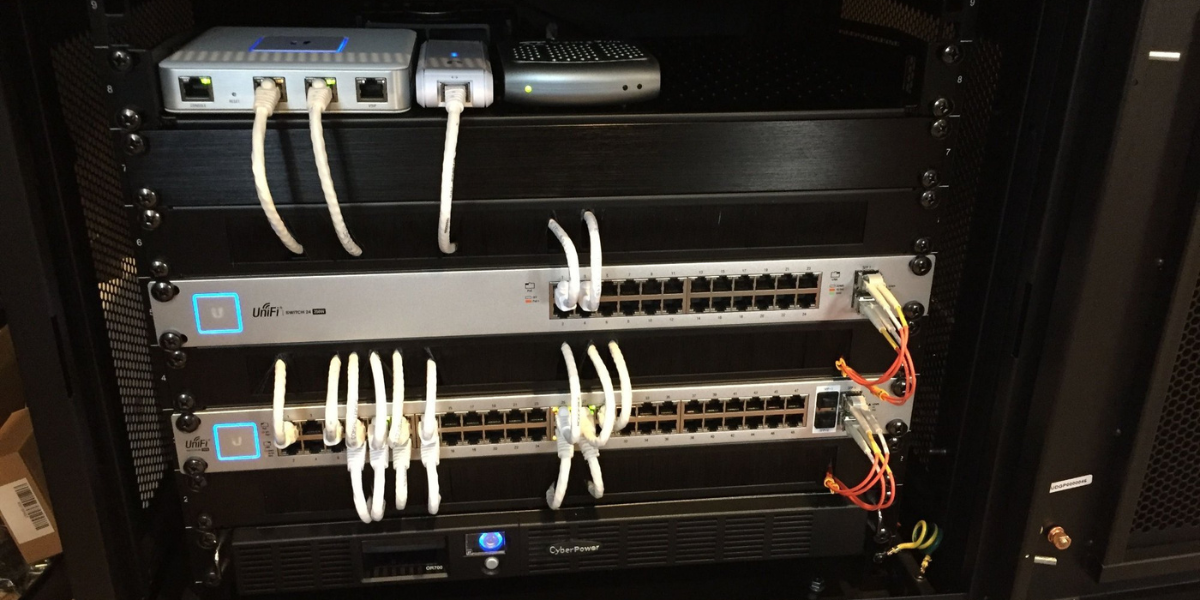
In today’s digital world, businesses and offices rely heavily on networking equipment to stay connected. From internet routers to servers, switches, and PABX systems, all these devices need a safe, organized, and professional setup. This is where a network rack becomes extremely important.
Whether you are running a small office or a large enterprise, understanding what a network rack is and why you need one can help you improve performance, security, and system reliability. This guide explains everything in easy English, especially for businesses looking for Networking Installation in Karachi and PABX System Setup in Karachi.
What Is a Network Rack?
A network rack (also called a server rack or data rack) is a metal frame or cabinet designed to store and organize networking and IT equipment. It holds devices such as:
- Network switches
- Routers
- Patch panels
- Firewalls
- Servers
- UPS systems
- PABX systems
Network racks come in different sizes (measured in “U” units like 6U, 12U, 24U, 42U) and can be wall-mounted or floor-standing.
Why Network Racks Are Important
Many businesses make the mistake of placing networking equipment on tables or shelves. This causes cable mess, overheating, and frequent failures. A network rack solves all these problems in a professional way.
1. Proper Organization of Equipment
A network rack keeps all devices in one structured place. Each piece of equipment is mounted securely, making it easy to identify, access, and manage.
For companies offering Networking Installation in Karachi, proper rack organization is considered a best practice.
2. Improved Network Performance
When devices are correctly mounted and ventilated inside a rack, they operate efficiently. Proper airflow reduces overheating, which improves network speed and stability.
Overheating is one of the biggest reasons for network downtime in offices without racks.
3. Cable Management Made Easy
One of the biggest advantages of a network rack is clean cable management. Racks use:
- Patch panels
- Cable trays
- Vertical & horizontal cable managers
This avoids tangled cables, signal interference, and accidental disconnections.
4. Enhanced Equipment Security
Network racks protect valuable equipment from:
- Dust
- Physical damage
- Unauthorized access
Lockable racks are especially important for offices, call centers, and server rooms. This is highly recommended during PABX System Setup in Karachi, where sensitive communication equipment is used.
5. Easier Maintenance and Troubleshooting
With all equipment neatly arranged:
- Technicians can quickly identify faults
- Repairs take less time
- Upgrades become simpler
This saves both time and money in the long run.
Types of Network Racks
Choosing the right type of network rack depends on your business size and equipment needs.
Wall-Mounted Network Racks
Best for:
- Small offices
- Shops
- Clinics
They save space and are ideal for basic Networking Installation in Karachi projects.
Floor-Standing Network Racks
Best for:
- Medium to large offices
- Data centers
- Call centers
These racks support heavy equipment like servers and PABX systems.
Open Frame Racks
Best for:
- Controlled environments
- Easy access
They are cost-effective but offer less security.
Enclosed Network Cabinets
Best for:
- Secure environments
- Dust protection
- Noise control
Highly recommended for professional PABX System Setup in Karachi.
Why Every Business Needs a Network Rack
If your business uses internet, phones, or internal networking, a network rack is not optional—it’s essential.
For Small Businesses
- Clean setup
- Professional appearance
- Reduced downtime
For Corporate Offices
- Scalability
- High security
- Centralized management
For Call Centers & IT Firms
- Stable voice quality
- Organized PABX systems
- Easy monitoring
Network Rack and PABX Systems
During PABX System Setup in Karachi, network racks play a key role. PABX systems require:
- Stable power
- Clean cabling
- Secure installation
A rack ensures your PABX system works efficiently without call drops or technical issues.
Network Rack Installation Best Practices
Professional installation is important to get maximum benefits.
Key best practices include:
- Correct rack size selection
- Proper grounding
- Adequate ventilation
- Professional labeling
- Structured cabling
That’s why businesses prefer expert Networking Installation in Karachi services rather than DIY setups.
Common Mistakes to Avoid
- Using undersized racks
- Ignoring airflow
- Poor cable labeling
- No future expansion planning
- Installing racks without professional guidance
Avoiding these mistakes increases system life and reliability.
How to Choose the Right Network Rack
Before buying a network rack, consider:
- Number of devices
- Future expansion
- Available space
- Security requirements
- Cooling needs
Consulting a professional networking company can help you make the right choice.
Conclusion
A network rack is the backbone of any organized IT and communication setup. It improves performance, security, cable management, and system lifespan. Whether you’re planning a new office or upgrading existing infrastructure, installing a network rack is a smart investment.
For businesses looking for reliable Networking Installation in Karachi and professional PABX System Setup in Karachi, using the right network rack ensures long-term success and smooth operations.
FAQs – Network Rack Explained
1. What is the main purpose of a network rack?
A network rack organizes, secures, and protects networking equipment while improving performance and maintenance.
2. Is a network rack necessary for small offices?
Yes, even small offices benefit from better cable management, security, and professional setup.
3. Can a PABX system be installed without a network rack?
Technically yes, but it is not recommended. A rack ensures stability, safety, and easy maintenance.
4. What size network rack should I choose?
It depends on your equipment and future expansion. Professionals offering Networking Installation in Karachi can guide you best.
5. Are network racks expensive?
Network racks are affordable and cost-effective compared to the losses caused by downtime and equipment damage.