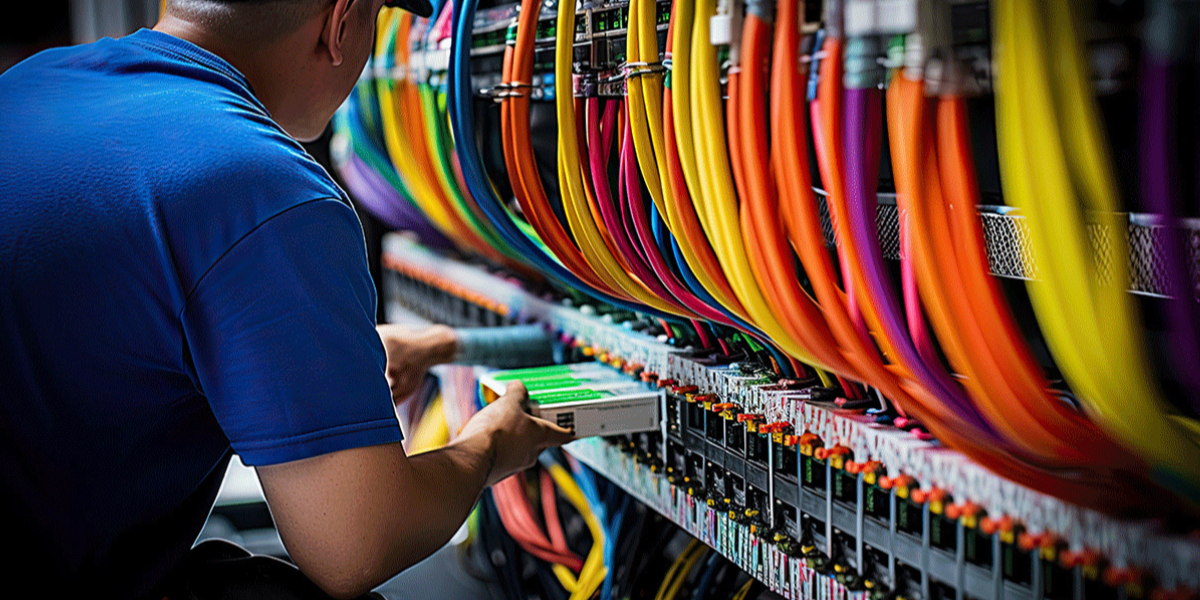
In today’s digital world, businesses rely heavily on fast, stable, and secure networks. From internet access and phone systems to CCTV cameras and servers, everything depends on a strong network foundation. This foundation is called structured cabling.
Structured cabling is not just about wires. It is a complete system that organizes and manages all network cables in a building or facility. A well, designed structured cabling system improves performance, reduces downtime, and supports future growth.
This blog explains what structured cabling is, how it works, and why it is important for businesses, especially those planning professional Networking Installation in Karachi.
What Is Structured Cabling?
Structured cabling is a standardized approach to cabling infrastructure that supports multiple hardware systems. It includes cables, connectors, patch panels, racks, and cable management components used for data, voice, and video communication.
Unlike traditional random wiring, structured cabling follows international standards such as TIA/EIA and ISO/IEC, ensuring reliability, scalability, and easy maintenance.
It supports internet networks, telephone and PABX systems, CCTV and security systems, Wi-Fi access points, servers, and cloud-based solutions.
Key Components of Structured Cabling
A structured cabling system is divided into organized sections, each with a specific function.
The entrance facility connects the building to the internet service provider.
The equipment room houses servers, switches, routers, and network security devices.
Backbone cabling connects different floors or departments, usually using fiber optic cables.
Horizontal cabling connects workstations and devices using Cat6 or Cat6A cables.
Work area components include wall outlets, connectors, and patch cords.
Types of Structured Cabling
Copper cabling such as Cat5e, Cat6, and Cat6A is cost-effective and suitable for small to medium businesses.
Fiber optic cabling offers very high speed, longer distance coverage, and is ideal for enterprise-level networks.
A professional Networking Installation in Karachi service provider can recommend the right option based on your business needs.
Why Structured Cabling Matters
Structured cabling improves network performance by reducing signal interference and data loss.
It makes maintenance and troubleshooting easier because cables are properly labeled and managed.
The system supports scalability, allowing easy upgrades as the business grows.
Although the initial cost may be higher, it reduces long-term maintenance and expansion expenses.
Clean cable management also improves safety and gives a professional look to offices and server rooms.
Importance for Businesses in Karachi
Karachi is Pakistan’s commercial and IT hub. Offices, factories, call centers, and tech companies depend on high-speed and reliable networks.
Businesses investing in professional Networking Installation in Karachi benefit from fewer network failures, better VoIP and cloud performance, reliable CCTV systems, and smooth operations across multiple floors.
Structured Cabling vs Traditional Cabling
Structured cabling is organized, high-performing, easy to maintain, scalable, and cost-effective in the long run.
Traditional cabling is unorganized, difficult to troubleshoot, limited in expansion, and expensive over time.
Support for Modern Technology
Structured cabling supports cloud computing, IoT devices, smart offices, video conferencing, data centers, and remote work solutions.
Without proper cabling, modern digital systems cannot perform efficiently.
Choosing the Right Cabling Provider
Always choose certified and experienced installers who follow international standards, use branded materials, and provide after, sales support.
For reliable Networking Installation in Karachi, proper planning and professional execution are essential.
FAQs
What is structured cabling used for?
Structured cabling is used to create an organized and reliable network infrastructure for data, voice, and video communication.
Is structured cabling good for small businesses?
Yes, it helps small businesses save future upgrade costs and improves network stability.
How long does structured cabling last?
A quality structured cabling system can last 15 to 20 years.
Which cable is best for structured cabling?
Cat6 or Cat6A is best for most offices, while fiber optic cables are ideal for large networks.
Why hire professionals for Networking Installation in Karachi?
Professionals ensure proper design, standard compliance, better performance, and long-term savings