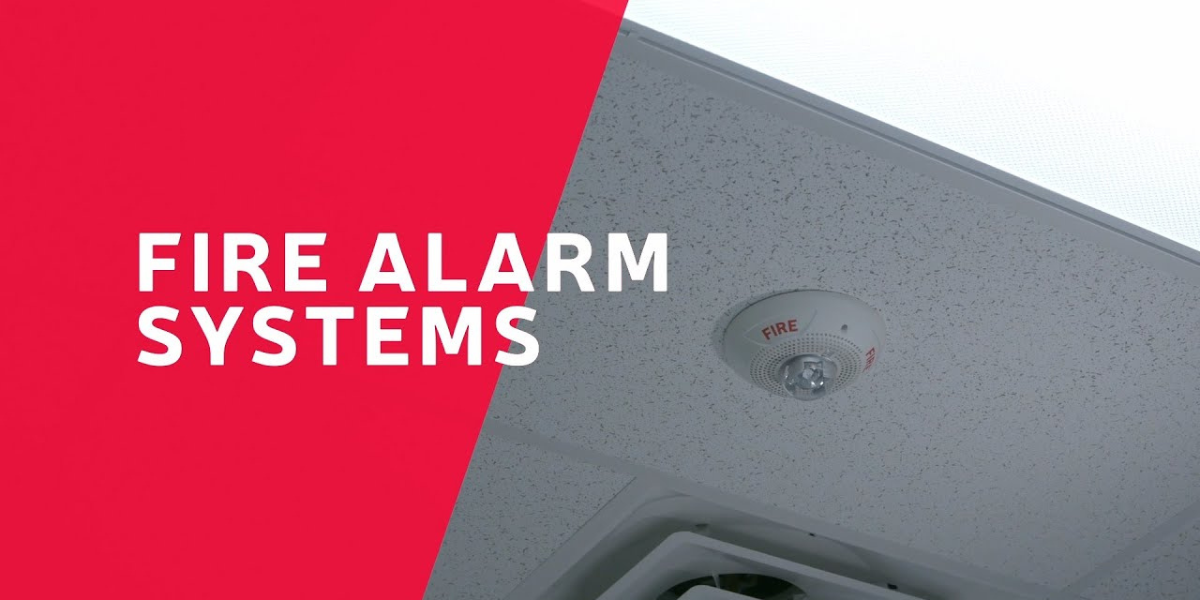
Alarm systems play a critical role in protecting homes, offices, factories, and commercial buildings. Whether it is a fire alarm or a security alarm, a malfunction can create serious risks. False alarms cause panic, while system failures can leave your property unprotected. Knowing how to handle alarm system malfunctions can save time, money, and even lives.
In this guide, we will explain common alarm problems, their causes, and step-by-step solutions in easy English. This blog is designed for business owners, facility managers, and homeowners who want reliable and safe alarm system performance.
Why Alarm System Malfunctions Are Serious
Alarm systems are designed to alert people during emergencies like fire, intrusion, or gas leaks. When they malfunction:
- False alarms disturb staff and neighbors
- Real emergencies may go undetected
Businesses can face fines or penalties - Trust in the system is reduced
This is why proper handling and timely action are essential.
Common Types of Alarm System Malfunctions
Understanding the problem is the first step toward fixing it.
1. False Alarms
False alarms are one of the most common issues. They can happen due to:
- Dust or smoke near sensors
- Power fluctuations
- Insects inside detectors
- Incorrect installation
2. Alarm Not Triggering
This is more dangerous than false alarms. Causes include:
- Dead batteries
- Faulty sensors
- Wiring problems
- Control panel failure
3. Continuous Beeping or Warning Sounds
Continuous beeping usually indicates:
- Low battery
- System error
- Communication failure with the control panel
4. Control Panel Errors
Error codes or warning lights on the control panel may appear due to:
- Software issues
- Network disconnection
- Device compatibility problems
Step-by-Step: How to Handle Alarm System Malfunctions
Step 1: Stay Calm and Identify the Type of Alarm
First, check whether it is a fire alarm, intrusion alarm, or system fault alert. Do not panic. Look at the control panel display or indicator lights to understand the issue.
Step 2: Check the Power Supply
Many alarm malfunctions happen because of power problems.
- Ensure the main power is ON
- Check backup batteries
- Replace weak or expired batteries
Low battery warnings should never be ignored.
Step 3: Inspect Sensors and Detectors
Dirty or blocked sensors can cause malfunctions.
- Clean smoke and motion sensors gently
- Remove dust, spider webs, or insects
- Ensure sensors are not blocked by furniture or equipment
If your system was installed professionally, such as through a Fire Alarm System Setup in Karachi, regular cleaning becomes much easier.
Step 4: Reset the Alarm System
Sometimes, a simple reset fixes the issue.
- Follow the manufacturer’s reset instructions
- Restart the control panel
- Re-arm the system properly
Avoid repeated resets, as they may hide deeper issues.
Step 5: Check System Connections
Loose wires or network problems can disrupt alarms.
- Inspect visible wiring for damage
- Check internet or LAN connection for smart alarm systems
- Ensure devices are properly paired
If your alarm system is integrated with office communication systems like PABX System Setup in Karachi, connection stability becomes even more important.
Step 6: Test the Alarm System
After troubleshooting:
- Perform a system test
- Trigger sensors manually
- Confirm alerts reach monitoring staff or devices
Testing should be done monthly to avoid surprise failures.
Step 7: Call a Professional Technician
If the problem continues, do not attempt advanced repairs yourself.
Professional technicians can:
- Diagnose internal faults
- Replace damaged components
- Update system software
- Ensure compliance with safety standards
This is especially critical for commercial buildings and high-risk environments.
Preventing Alarm System Malfunctions in the Future
Prevention is always better than emergency repair.
Regular Maintenance
Schedule periodic inspections to:
- Replace batteries on time
- Clean sensors
- Update firmware
Professional Installation Matters
Poor installation leads to frequent malfunctions. Always choose experienced providers for alarm and safety systems. A proper Fire Alarm System Setup in Karachi ensures correct wiring, sensor placement, and system calibration.
Train Staff and Users
Human error is a major cause of false alarms.
- Train employees on proper system use
- Explain arming and disarming procedures
- Share emergency response steps
Keep Systems Integrated
Modern buildings often integrate alarms with communication systems. Integration with PABX System Setup in Karachi helps ensure instant alerts, smooth communication, and faster response during emergencies.
When to Replace Instead of Repair
Sometimes replacement is the smarter option.
Consider replacing your alarm system if:
- It is more than 8–10 years old
- Spare parts are unavailable
- False alarms happen frequently
- Technology is outdated
Upgrading improves reliability and reduces long-term costs.
Final Thoughts
Alarm system malfunctions are not just technical issues; they are safety risks. By understanding common problems and following proper troubleshooting steps, you can handle most issues effectively. Regular maintenance, professional installation, and timely upgrades ensure your alarm system works when it matters the most.
Whether it is a fire safety solution or a security alarm, investing in expert services like Fire Alarm System Setup in Karachi and integrating communication through PABX System Setup in Karachi can significantly improve system reliability and emergency response.
FAQs – Alarm System Malfunctions
1. What causes frequent false alarms?
False alarms are usually caused by dust, insects, low batteries, poor installation, or sensor misplacement.
2. Can I fix alarm malfunctions myself?
Basic issues like battery replacement or cleaning sensors can be handled easily. Complex faults should always be handled by professionals.
3. How often should alarm systems be tested?
Alarm systems should be tested monthly and professionally inspected at least once a year.
4. Are alarm malfunctions dangerous?
Yes. A malfunctioning alarm may fail during real emergencies, putting lives and property at risk.
5. When should I upgrade my alarm system?
You should upgrade if your system is old, unreliable, unsupported, or incompatible with modern safety and communication systems.