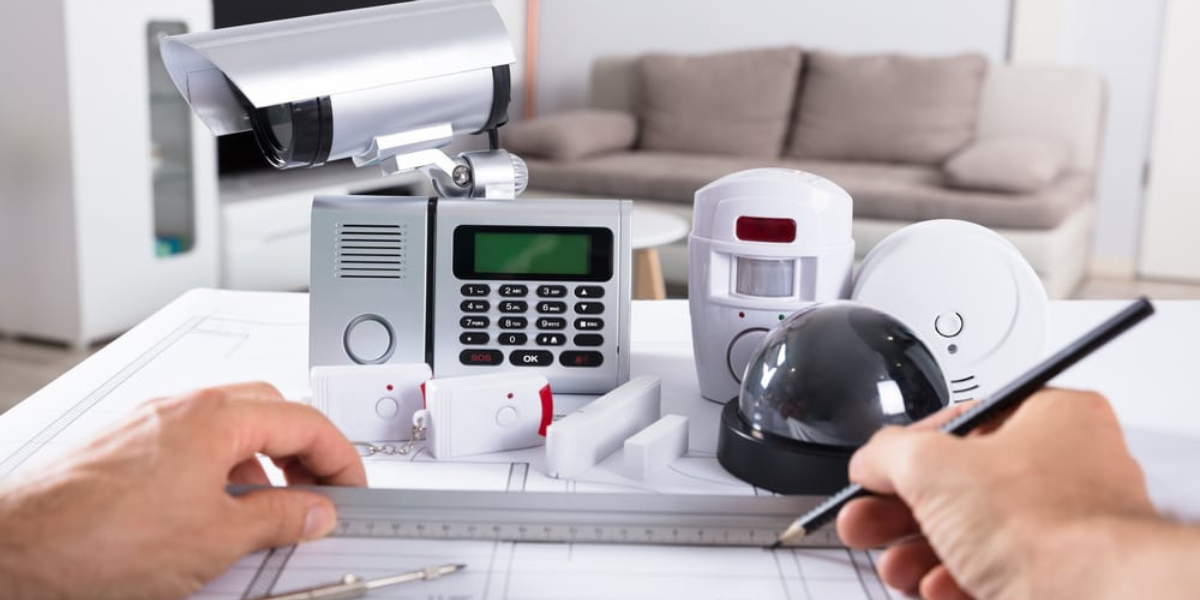
Security is no longer about using just one system. Today, businesses and homes need smart, connected security solutions. One of the best ways to improve protection is to integrate CCTV with alarm systems. When both systems work together, they provide real-time monitoring, faster response, and better evidence in case of an incident.
In this blog, we will explain how CCTV and alarm systems can be integrated, their benefits, integration methods, and key considerations for successful setup.
What Does CCTV and Alarm System Integration Mean?
CCTV and alarm system integration means connecting surveillance cameras with security alarms so they communicate with each other. When an alarm is triggered (motion, fire, or intrusion), the CCTV system automatically records video, sends alerts, and allows live monitoring.
This integration is commonly used in:
- Homes
- Offices
- Warehouses
- Retail stores
- Factories
- Commercial buildings
Why Integrate CCTV with Alarm Systems?
1. Faster Response Time
When an alarm triggers, the linked CCTV instantly shows live video footage. This helps security teams verify the threat quickly and respond without delay.
2. Reduced False Alarms
Alarm systems alone may trigger false alerts. With CCTV integration, you can visually confirm the situation before taking action.
3. Better Security Monitoring
Cameras start recording automatically when alarms activate, ensuring no critical moment is missed.
4. Strong Evidence Collection
Video footage linked with alarm events provides clear evidence for investigations, insurance claims, or legal matters.
Types of Alarm Systems That Can Be Integrated with CCTV
Burglar Alarm Systems
Motion sensors, door/window sensors, and glass-break detectors can trigger CCTV recording when intrusion is detected.
Fire Alarm Systems
Fire alarms can be integrated with cameras to visually monitor fire-affected areas. This is especially useful for large facilities and warehouses using Fire Alarm System Setup in Karachi.
Access Control Systems
When unauthorized access occurs, CCTV records and sends alerts to administrators.
Methods to Integrate CCTV with Alarm Systems
1. Network-Based Integration (IP Systems)
Modern IP cameras and alarms connect through a network. This method allows:
- Remote monitoring
- Cloud recording
- Mobile app alerts
- Centralized control
This is the most popular and scalable solution today.
2. Software Integration
Security management software connects both systems on a single dashboard. You can:
- View alarms and camera feeds together
- Receive smart notifications
- Control devices remotely
3. Hardware-Based Integration
Some systems use physical connections (I/O modules or relays) where alarm signals trigger camera actions. This method is common in older setups.
Step-by-Step Process to Integrate CCTV with Alarm Systems
Step 1: Security Assessment
Analyze your property layout, entry points, and risk areas. Decide where cameras and alarm sensors should be installed.
Step 2: Choose Compatible Systems
Ensure your CCTV cameras and alarm systems support integration. IP-based systems are best for long-term performance.
Step 3: Install Cameras and Sensors
Install cameras at entrances, exits, corridors, and sensitive areas. Sensors should cover all access points.
Professional CCTV setup service in Karachi ensures proper placement and configuration.
Step 4: Configure Integration Settings
Set rules such as:
- Camera recording when alarm triggers
- Instant alerts on mobile devices
- Event-based video storage
Step 5: Testing and Optimization
Test alarm triggers and verify that cameras respond correctly. Adjust angles, sensitivity, and alert preferences.
Key Features of an Integrated Security System
- Real-time alerts with video clips
- Mobile and remote access
- Automatic event recording
- Central monitoring dashboard
- Cloud or local video storage
- Integration with fire and access systems
These features make integrated systems ideal for modern security needs.
Benefits for Businesses and Homes
For Businesses
- Prevent theft and vandalism
- Monitor employees and visitors
- Improve emergency response
- Reduce security costs
For Homes
- Enhanced family safety
- Remote monitoring while traveling
- Instant alerts for emergencies
- Peace of mind
Common Mistakes to Avoid
- Using incompatible devices
- Poor camera placement
- Ignoring network security
- Not testing the system regularly
- Choosing untrained installers
Always work with experienced professionals for installation and integration.
Why Professional Installation Matters
Professional security providers understand:
- System compatibility
- Network configuration
- Alarm-camera synchronization
- Local safety regulations
Whether you need CCTV or Fire Alarm System Setup in Karachi, expert installation ensures reliability and long-term performance.
Future of Integrated Security Systems
Modern integrated systems now use:
- AI-based motion detection
- Smart alerts and analytics
- Cloud monitoring
- Mobile app control
These technologies improve accuracy and reduce human error, making security smarter than ever.
Conclusion
Integrating CCTV with alarm systems is one of the most effective ways to enhance security. It provides faster response, visual verification, and complete control over your property’s safety.
For homes, offices, and commercial spaces, choosing the right equipment and professional CCTV setup service in Karachi ensures maximum protection and peace of mind.
Frequently Asked Questions (FAQs)
1. Can CCTV work without an alarm system?
Yes, CCTV can work independently, but integration with alarms provides better security and faster response.
2. Is CCTV and alarm integration expensive?
Costs depend on system type and size, but integrated systems reduce long-term security expenses.
3. Can I monitor integrated systems remotely?
Yes, most modern systems allow mobile and remote monitoring through apps or web dashboards.
4. Does fire alarm integration with CCTV help?
Yes, it allows visual confirmation during fire emergencies, especially useful in large buildings.
5. Is professional installation necessary?
Highly recommended. Professionals ensure correct setup, integration, and system reliability.