Security is one of the most important needs for homes, offices, shops, and industrial buildings. Installing an alarm system is a good first step, but it is not enough on its own. The real protection starts when your alarm system is connected to alarm monitoring. In this blog, we will explain what alarm monitoring is, how it works, and why it is essential for complete security.
What Is Alarm Monitoring?
Alarm monitoring is a security service where your alarm system is connected to a professional monitoring center. This center watches your system 24/7. If your alarm is triggered because of fire, intrusion, smoke, or any emergency, the monitoring team receives an instant alert and takes immediate action.
Instead of relying only on a loud siren, alarm monitoring ensures that someone is always watching your property, even when you are asleep or away.
Why Alarm Monitoring Is Important
Many people think an alarm system alone is enough, but without monitoring, no one may respond in time. Alarm monitoring provides:
- 24/7 protection
- Faster emergency response
- Reduced risk of theft and damage
- Peace of mind for property owners
For businesses and residential buildings, alarm monitoring significantly improves safety and security.
How Does Alarm Monitoring Work?
Alarm monitoring works in a simple but highly effective way. Below is a step by step explanation:
Step 1: Alarm Sensors Detect an Issue
Your alarm system has sensors installed on doors, windows, motion areas, smoke detectors, and fire alarms. These sensors continuously monitor activity.
If there is:
- Unauthorized entry
- Smoke or fire
- Forced door opening
- System tampering
The sensors immediately detect the problem.
Step 2: Signal Is Sent to Monitoring Center
Once the alarm is triggered, the control panel sends a signal to the alarm monitoring center through:
- Internet
- Telephone line
- Cellular network
This communication happens within seconds.
Step 3: Monitoring Team Verifies the Alert
Trained security professionals at the monitoring center receive the alert. They verify whether the alarm is real or false by:
- Checking system data
- Calling the property owner
- Using video verification (if available)
Step 4: Emergency Response Is Dispatched
If the threat is confirmed, the monitoring center immediately contacts:
- Police
- Fire brigade
- Ambulance
- On-site security team
This quick response can prevent major loss and save lives.
Types of Alarm Monitoring Systems
Alarm monitoring can be used for different security needs. Some common types include:
Burglar Alarm Monitoring
This protects against theft and unauthorized access. Motion sensors and door contacts trigger alerts during break-ins.
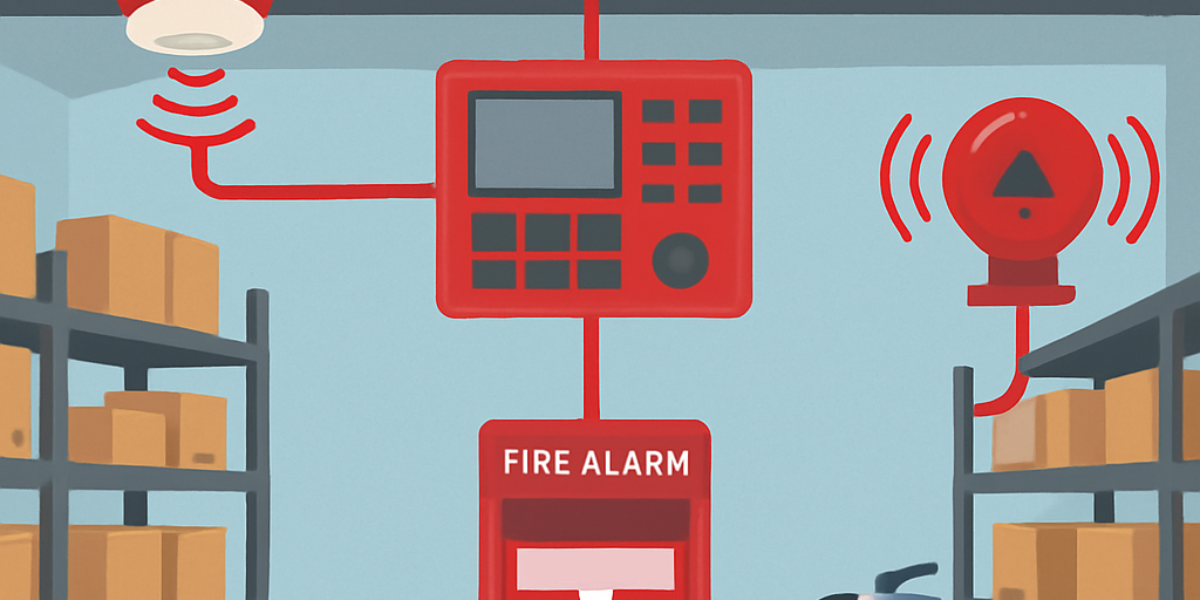
Fire Alarm Monitoring
Fire alarms connected to monitoring centers ensure immediate action during smoke or fire emergencies. This is especially important for commercial buildings and factories. Many businesses combine alarm monitoring with professional Fire Alarm Installation in Karachi to meet safety regulations and improve protection.
Medical Alarm Monitoring
Used in homes and hospitals, this system helps elderly or sick individuals get instant medical assistance.
Video Alarm Monitoring
This system uses CCTV cameras to visually confirm security threats, reducing false alarms.
Benefits of Alarm Monitoring
Alarm monitoring offers many advantages for both homes and businesses:
1. 24/7 Protection
Your property is monitored all day and night, even on holidays.
2. Faster Emergency Response
Authorities are contacted immediately, reducing damage and risk.
3. Reduced False Alarms
Professional verification prevents unnecessary panic and fines.
4. Peace of Mind
You can travel or sleep comfortably knowing your property is secure.
5. Insurance Benefits
Many insurance companies offer discounts for monitored alarm systems.
Who Needs Alarm Monitoring?
Alarm monitoring is ideal for:
- Homes and apartments
- Offices and corporate buildings
- Shops and shopping malls
- Warehouses and factories
- Schools and hospitals
Any place that requires constant security and safety can benefit from alarm monitoring.
Alarm Monitoring for Businesses
Businesses face higher security risks due to valuable assets and equipment. Alarm monitoring helps:
- Prevent theft
- Protect employees
- Reduce downtime
- Meet safety compliance requirements
For complete protection, businesses often integrate alarm monitoring with fire detection systems and structured security solutions.
Choosing the Right Alarm Monitoring Service
When selecting an alarm monitoring service, consider the following:
- 24/7 monitoring availability
- Fast response time
- Reliable communication methods
- Experienced monitoring staff
- Integration with fire and security systems
A professional service ensures your alarm system works effectively when it matters most.
Future of Alarm Monitoring
Modern alarm monitoring systems are becoming smarter with:
- Mobile app alerts
- Cloud-based monitoring
- AI-powered detection
- Smart home integration
These technologies make alarm monitoring more reliable and user, friendly than ever before.
Final Thoughts
Alarm monitoring is a critical part of any modern security system. It transforms a simple alarm into a complete protection solution by ensuring real-time response during emergencies. Whether for homes or businesses, alarm monitoring provides safety, reliability, and peace of mind.
By combining alarm monitoring with professional security and fire systems, you can significantly reduce risks and protect what matters most.
FAQs About Alarm Monitoring
1. What happens when an alarm is triggered?
The signal is sent to a monitoring center, verified by professionals, and emergency services are contacted if needed.
2. Is alarm monitoring available 24/7?
Yes, professional alarm monitoring services operate 24 hours a day, 7 days a week.
3. Can alarm monitoring reduce false alarms?
Yes, trained staff verify alerts before taking action, which reduces false alarms.
4. Is alarm monitoring necessary for homes?
Yes, it provides extra security, especially when homeowners are away or sleeping.
5. Can fire alarms be connected to monitoring services?
Yes, fire alarms can be monitored to ensure immediate response during fire emergencies